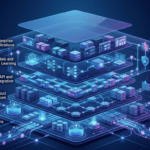

Technology is changing the way HR departments manage employees and support business objectives. Modern HR platforms can automate administrative processes, organize employee data, monitor workforce trends, and provide insights for better decision-making. However, technology delivers the greatest value when it is supported by a clear HR strategy.
Strategic HR technology combines digital tools with workforce planning, talent development, employee engagement, and performance management. This combination allows businesses to improve efficiency while creating a more informed and responsive people-management function.
Using HR Analytics for Better Decisions
HR departments manage large amounts of information, including recruitment data, attendance records, employee performance, training participation, compensation, and turnover. When this information is organized and analyzed effectively, it can support better business decisions.
Workforce analytics can help HR leaders identify trends such as rising employee turnover, skills shortages, recruitment delays, or departments with high workload levels. These insights allow management teams to take action before problems become more serious.
For example, if data shows that employees are leaving within the first six months, HR can review onboarding quality, manager support, role expectations, and career development opportunities. Data does not replace human judgment, but it helps HR teams make decisions based on evidence rather than assumptions.
Automating HR Operations and Improving Employee Experience
HR automation can reduce the time spent on repetitive administrative activities. Recruitment workflows, leave requests, employee documentation, onboarding tasks, and performance reminders can be managed through digital systems.
Automation improves consistency and allows HR professionals to focus on higher-value activities such as workforce planning, leadership development, and employee engagement.
Self-service HR portals also improve employee experience. Employees can access payslips, update personal information, submit requests, review policies, and track development activities without depending on HR staff for every task.
However, organizations must ensure that HR technology is implemented securely. Employee information is sensitive, so access controls, privacy policies, data protection, and system monitoring are essential.
HR Technology Capabilities That Support Growth
- Recruitment and applicant tracking systems
- Employee data and HR management platforms
- Workforce analytics and reporting
- Automated onboarding workflows
- Learning and development platforms
- Performance management systems
- Employee self-service portals
- Secure payroll and attendance integration
Conclusion
HR technology can significantly improve the efficiency and strategic value of HR departments. When combined with strong workforce planning and talent-management practices, digital HR tools help businesses make better decisions, reduce administrative workloads, and improve employee experience.
The future of HR will depend on the ability to combine technology with human judgment. Businesses that use HR analytics, automation, and digital platforms responsibly can build a more agile workforce and create stronger conditions for sustainable business growth.