
Supercharge Your Mission with AI Agents: A Nonprofit’s Guide
In today’s rapidly evolving landscape, nonprofit organizations are constantly seeking innovative ways to maximize their impact and streamline operations. Artificial intelligence (AI) is no longer a futuristic concept; it’s a powerful tool available now. Specifically, AI agents offer a unique opportunity for nonprofits to automate repetitive tasks, enhance staff productivity, and ultimately, dedicate more resources to their core mission.
This guide explores how AI agents, particularly those within the Microsoft 365 Copilot ecosystem, can be leveraged to support your nonprofit’s unique challenges and goals. From enriching staff experiences to engaging supporters and transforming operations, AI agents are poised to become indispensable allies.
What Are AI Agents and How Do They Support Nonprofits?
At their core, AI agents are intelligent assistants designed to perform tasks and provide support, either alongside or on behalf of individuals, teams, or entire organizations. Think of them as specialized AI-powered tools that understand context, can access information, and even take actions to automate processes.
For nonprofits, this translates into significant advantages. AI agents can handle time-consuming administrative duties, freeing up valuable human capital to focus on what truly matters: furthering the organization’s mission. They can act as a force multiplier, allowing small teams to achieve more and operate with greater efficiency.
AI agents can be accessed and developed in several ways:
- Through pre-built templates within Microsoft 365 Copilot Chat.
- By building custom agents within Microsoft 365 Copilot Chat.
- Using Copilot Studio for more tailored designs.
- Via solutions offered by third-party providers.
The key distinction to understand is the difference between a ‘Copilot’ and an ‘Agent.’ While your personal Copilot acts as an AI assistant grounded in your work content (emails, documents, meetings), an Agent is an AI-powered system with actions, triggers, and knowledge designed to work on behalf of business processes or functions. Agents can operate independently or be connected to Copilot.
Levels of Agent Sophistication
AI agents come in varying levels of complexity, each offering distinct capabilities:
- Simple Retrieval Agents: These agents excel at accessing information from your organization’s data, reasoning through it, summarizing, and answering specific user questions. This is generally available and forms the foundation for many AI agent applications.
- Task Agents: Moving beyond retrieval, Task agents can take actions when prompted. They automate workflows and can replace repetitive manual tasks for users. This capability is also generally available and offers immediate productivity gains.
- Advanced/Autonomous Agents: These are the most sophisticated agents, capable of operating independently. They can dynamically plan, orchestrate other agents, learn from interactions, and escalate issues when necessary. This capability is currently in preview but represents the future of AI agent functionality.
For nonprofits, this tiered approach means you can start with simpler, readily available agents and scale up to more advanced, autonomous capabilities as your needs and understanding grow. [LINK: Getting Started with AI Agent Templates] can provide an immediate boost.
Real-World Nonprofit Scenarios for AI Agents
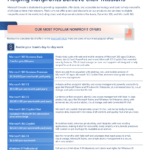
The true power of AI agents lies in their practical application across various nonprofit functions. Here are some examples:
Enriching Staff Experiences
Administrative burdens can often detract from the fulfilling aspects of nonprofit work. AI agents can alleviate this:
- Writing Coach Agent: This agent provides detailed feedback on written communications, helps adjust tone, translates text, and assists in drafting messages. Imagine the time saved by quickly refining grant proposals or supporter emails.
Delivering Impactful Programs
Streamlining program delivery ensures your mission reaches those who need it most:
- Volunteer Management Agent: Automates tasks like scheduling, communication, and onboarding for volunteers, ensuring smoother operations and better volunteer engagement.
- Partner Recruitment Agent: Assists in identifying potential partners, managing outreach, and tracking engagement, helping to build a stronger collaborative network.
Engaging Supporters and Funders
Building and maintaining relationships with donors and stakeholders is crucial:
- Donor Opportunity Agent: Helps identify potential funding opportunities and provides insights into donor preferences, streamlining fundraising efforts.
- Analyst Agent: Can sift through large datasets to provide summaries and insights relevant to program impact or fundraising campaigns.
- Researcher Agent: Assists in gathering information on trends, research, or potential grant opportunities, saving significant time for research teams.
Transforming Nonprofit Operations
Even back-office functions can be significantly improved:
- Budget Agent: Assists in tracking expenses, forecasting budgets, and identifying potential financial anomalies, providing greater financial clarity.
- Call Auditing Agent: Can analyze recorded calls for quality assurance, compliance, or training purposes, particularly useful for outreach or support teams.
Getting Started with Agents Today
Leveraging AI agents for your nonprofit doesn’t require a massive technological overhaul. You can begin by exploring the ready-to-use agent templates available within Microsoft 365 Copilot Chat. These templates are designed to address common tasks and can offer immediate productivity gains.
For more specific needs, platforms like Copilot Studio allow you to build custom agents tailored to your unique workflows. This empowers your organization to scale intelligent assistance without significant upfront investment. [LINK: Explore Copilot Studio for Nonprofits] to learn more about custom solutions.
Embracing AI agents is a strategic step towards a more efficient, impactful, and mission-focused future for your nonprofit. By automating routine tasks and augmenting staff capabilities, you can unlock new levels of productivity and dedicate more energy to the causes you serve.
Ready to empower your team and amplify your mission? Explore how AI agents can revolutionize your nonprofit’s operations today!
Frequently Asked Questions
What is the difference between Microsoft Copilot and an AI Agent?
Microsoft Copilot is your personal AI assistant for work, grounded in your data like emails and documents. An AI Agent is a more specialized AI-powered system with actions and triggers, designed to work on behalf of business processes or functions. Agents can operate independently or be connected to Copilot.
How can AI agents help nonprofits with limited budgets?
AI agents can significantly improve efficiency by automating repetitive tasks, freeing up staff time and reducing the need for manual processes. Starting with pre-built templates in Microsoft 365 Copilot Chat or using cost-effective custom solutions via Copilot Studio can maximize impact without large upfront investments.
What types of tasks can AI agents handle in a nonprofit setting?
AI agents can handle a wide range of tasks, including document drafting and summarization (Writing Coach), volunteer management, partner recruitment, fundraising research, budget tracking, and analyzing communications. They can retrieve information, automate workflows, and even operate autonomously for advanced needs.
Download the Full PDF Guide
Copilot Agent Playbook for Nonprofits